

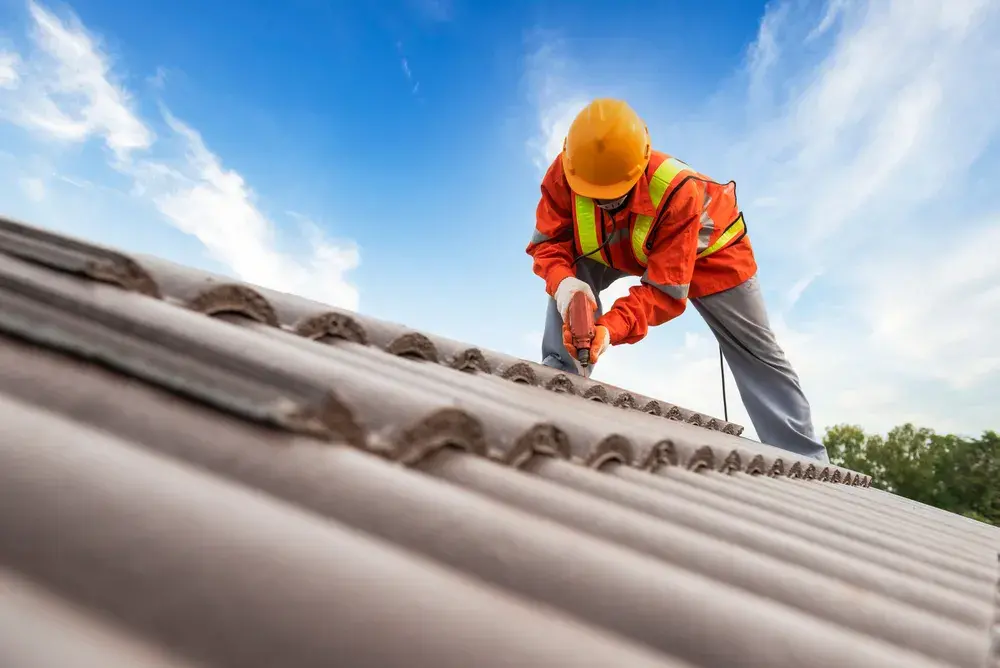
One of the most significant components of your house is your roof, but it is most of the time ignored until a severe issue arises. Whether it is keeping your home dry during severe weather conditions or ensuring your home is energy efficient, a well maintained roof is important in the overall health of your home. Not addressing petty problems may soon become expensive repairs or even a new roof altogether.
The secrets to prolonging the life of your roof are regular maintenance and timely repairs. Regardless of whether you live in a place with heavy rainfall, strong winds or intense sunlight, your roof is always exposed to the elements. Wear and tear are unavoidable with the passage of time, but with the proper care, you can substantially extend its lifespan.
You will find in this guide, some practical and effective roof repair tips which not only save money, but also help ensure the structural integrity of your home. These plans are easy, practical and appropriate to both novices and seasoned house owners.
The Value of Roof Maintenance
A leaking roof or a roof that has been poorly maintained may result in severe consequences such as water leaks, mould growth and structural damage. These problems are avoided by conducting regular inspections and fixing any problems before they escalate.
Energy efficiency is also enhanced by proper maintenance of the roof. A roof with a tight seal will help to keep your house cooler in the summer and warmer in the winter, which will reduce the amount of money that you pay in your electricity bills.
Moreover, a good roof will enhance the curb appeal and resale value of your home. Any buyer would be willing to invest more in a property that does not necessarily need immediate repair.
1. Get Your Roof Inspected
Effective roof maintenance is based on routine inspections. Your roof should be checked at least two times a year, preferably in spring and fall.
Inspect obvious signs of damage including missing or broken shingles, sagging, growth of moss or algae, and damaged flashing around vents and chimneys. It is not only possible to save money on fixing problems in the future by catching these problems early. When it is unsafe to climb on the roof use a pair of field glasses or employ a professional inspector.
2. Address Leaks Right Away
A minor leakage can be very destructive in the long run. Water may infiltrate insulation, walls and ceilings resulting in mold and structural issues.
Water stains on ceilings, damp areas in the attic, and peeling paint or wallpaper are signs of a roof leak. As soon as you detect these signs, find the cause and fix it as soon as possible. Temporary solutions such as sealants may be adopted but permanent repairs must be carried out within the shortest time possible.
3. Keep Gutters and Downspouts Clean
One of the most common causes of roof damages is clogged gutters. When debris obstructs the flow of water, it may accumulate on the roof and flow under the shingles.
Clean the gutters at least once in every six months, rake out the leaves and dirt, and make sure that the downspouts at the gutters drain away from your home. Adequate drainage safeguards your roof as well as the foundation of your home.
4. Replace Shingles That Are Damaged
Shingles are the initial defense against weather. Broken or lost shingles leave your roof vulnerable to the elements of moisture and UV radiation.
In case you happen to find broken, curled or lost shingles, replace them immediately. This is an easy fix that can keep the leaks at bay and the life of your roof can be extended dramatically. Also ensure that the new shingles are matched to the old ones in order to maintain the performance.
5. Trim Branches That Overhang
Trees have the ability to beautify your home, but overhanging branches can harm the roof of your home. In a storm, the branches may break and cause damage to the shingles or puncture the roof.
They also shed leaves and litter which may block the gutters and enable moisture to accumulate. Periodically, cut branches so that they are not too close to your roof.
6. Stop Moss and Algae from Growing
Moss and algae grow in dark, wet locations and may deteriorate your roof with time because algae traps moisture.
Clean and dry your roof, place some zinc or copper strips and remove the moss with some mild cleaning solution. Do not pressure wash, this will destroy shingles.
7. Make Sure You’re Getting Enough Air
Good ventilation is essential for maintaining your roof’s health. The lack of ventilation may lead to the accumulation of heat and moisture in the attic and cause mould and roof damage.
Proper ventilation controls temperature, moisture and increases the life of roofing materials. Ensure that vents are not obstructed and renovate where necessary.
8. Repair Flashing and Sealants
Flashing around chimneys, vents and skylights prevent water leaks but with time, it can crack or loosen.
Check flashing and repair any damage, as well as re-apply sealants where necessary to ensure that it is a water tight barrier. This will help avoid a significant water loss.
9. Do not Walk on the Roof
Stepping on your roof may lead to unneeded damages particularly when the materials are weak. It is able to loosen the shingles and weaken the structure.
Wear proper safety gear or get a professional whenever there is a need to access. The reduction of foot traffic will help in maintaining the state of your roof.
10. Schedule Professional Inspections
Self maintenance can be useful but professional checks offer a better examination. Professionals are able to detect the underlying problems that are difficult to spot.
To make sure that your roof remains in the best shape, it is recommended to have your roof inspected once a year, after extreme weather, or before selling or buying a home.
11. Upgrade When Necessary
When your roof is approaching the end of its life cycle, it may not be adequate to carry out repairs. Modern roofing materials will enhance durability and efficiency.
Alternatives, such as metal roofing or architectural shingles, have a longer life and better performance. Timely upgrading helps avoid the high cost of repairing the same equipment again.
Conclusion
Maintaining your roof does not necessarily need to be involved in complex and costly activities. Regular checkups, prompt repairs and maintenance of your roof will help you save time as well as save your home the cost of costly repairs.
Even such basic measures as gutter cleaning, leaks repair, and replacing damaged shingles help a lot to maintain the integrity of your roof. By mixing do-it-yourself projects with those of professional roofing inspectors, you will at least know that your roof will remain in good condition throughout the entire year.
These roof repair tips will not only save you money, but will also increase the safety, comfort and value of your home. A clean roof is a long term investment, which will be compensated in durability and peace of mind.