

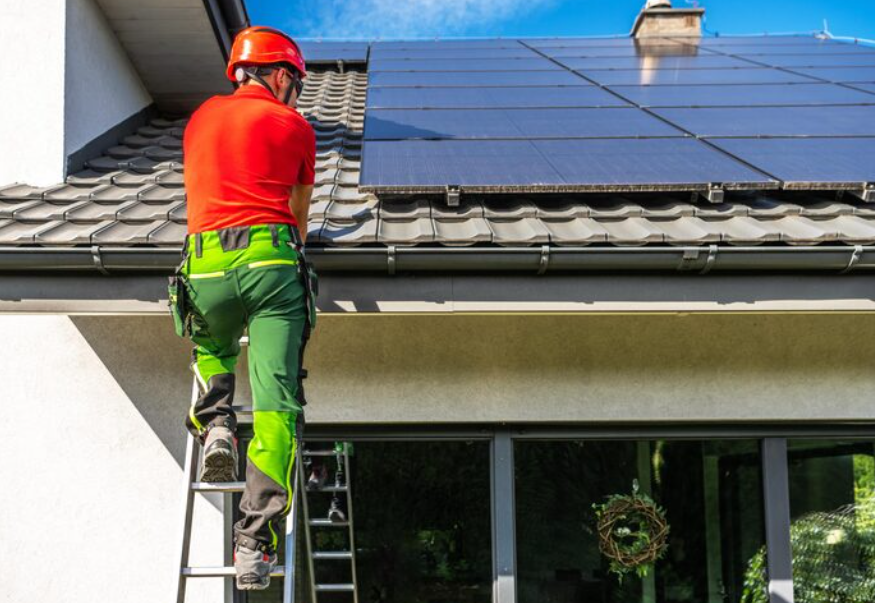
In today’s world, energy demand is increasing, and electricity costs are rising in many regions. Because of this, many homeowners are looking for smarter and more reliable energy solutions. One of the most effective options is solar energy. A home solar panel installation allows you to generate your own electricity using sunlight, which is a clean and renewable source. This not only helps reduce your electricity bills but also gives you more control over your energy use. Over time, it can make your home less dependent on external power systems and more self-sufficient.
Understanding Energy Independence with Solar Power
Energy independence means producing your own electricity instead of relying fully on the power grid. With a home solar panel installation, your roof becomes a small power station that generates energy during the day. This energy can be used immediately or stored in batteries for later use. As a result, you depend less on electricity suppliers. This independence becomes especially valuable during times of high demand or rising electricity prices, giving homeowners more stability and control over their energy needs.
Reducing Dependence on the Electrical Grid
One of the biggest advantages of solar energy is reduced reliance on the traditional electrical grid. When you install solar panels, your home starts using self-produced electricity first. Only when needed, it draws power from the grid. This means your dependency on external power sources decreases significantly. Over time, your home solar panel installation can cover a large portion of your daily electricity usage. This shift helps protect you from power shortages and fluctuating energy costs, making your home more self-reliant.
Lower Electricity Bills and Long-Term Savings
Solar energy is not just about independence; it also brings financial benefits. Once your system is installed, sunlight becomes your main energy source, which is free. This reduces your monthly electricity bills noticeably. A home solar panel installation can also protect you from rising electricity prices in the future. Although the initial setup cost may seem high, the long-term savings make it a smart investment. Over the years, the system often pays for itself through reduced energy expenses.
Reliable Backup During Power Outages
Power outages can be frustrating and disruptive, especially during extreme weather or grid failures. Solar energy systems, especially those with battery storage, provide a reliable backup solution. When the grid goes down, your home can still run on stored solar power. A home solar panel installation ensures that essential appliances like lights, fans, and refrigerators continue working. This added reliability gives homeowners peace of mind, knowing they have a steady power source even during emergencies or unexpected outages.
Environmental Benefits of Solar Energy
Another important advantage of solar energy is its positive impact on the environment. Solar power does not produce harmful emissions or pollution. By using a home solar panel installation, you reduce your carbon footprint and help protect natural resources. Unlike fossil fuels, sunlight is renewable and unlimited. This makes solar energy a cleaner and more sustainable choice for the future. As more homes adopt solar power, the overall environmental impact of electricity production becomes much lower.
Conclusion
A home solar panel installation is a powerful step toward achieving energy independence. It reduces dependence on the grid, lowers electricity bills, provides backup during outages, and supports a cleaner environment. As energy challenges continue to grow, solar power offers a practical and long-term solution for homeowners. By investing in solar energy, you not only gain control over your electricity use but also contribute to a more sustainable future.