

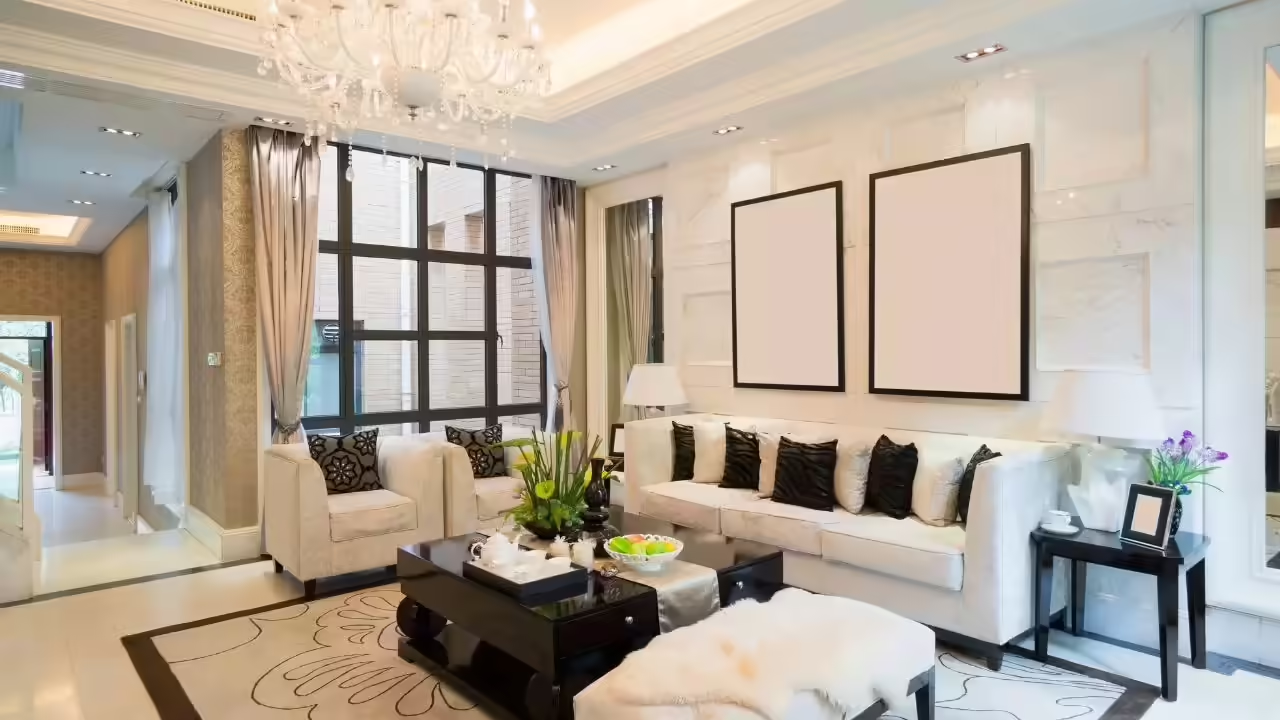
Home design is a far more complex issue than the selection of furniture and paint colors. It is about making a place that is personal to you, comfortable for you and your family, and reflects your lifestyle and personality. With a proper home design, the entire home can be made practical, welcoming, and enhance the property’s value to the homeowner.
If you are building a new home, renovating your current home, or just clearing out the clutter from the interior of your home, you must know some of the basics of home design to make better decisions. Every aspect, be it the layout planning or the choice of the décor elements, makes a difference in the overall look and feel of a home.
Start with a Clear Vision
Without a definite vision, no home design project can be successful. When thinking about making changes, you should think through what your home should look and function like. Consider your lifestyle, family size, daily routine, and preferences when deciding.
Some like a contemporary style as well as clean lines and little decoration, and others who favor the traditional style with its warmth and classic features. Having a concept for the desired aesthetic in mind will help inform choices when it comes to furniture, color, lighting, and accessories.
Magazines, websites, and design portfolios are also useful sources of inspiration. Having a mood board can help you to stay consistent with your design throughout the project.
Focus on Functionality First
A beautiful house must also be functional. One of the most critical design features of your home is its functionality, which in turn has a direct impact on how comfortable you are in your home.
Consider the uses of the room when planning. Furniture arrangements should ensure the ability to move around freely and to facilitate daily activities. For instance, a living room should be a space for talking and sitting comfortably, whereas a home office should foster productivity and organization.
Storage is also a crucial aspect. Utilizing built-in shelves, multifunctional furniture, and smart storage systems can help minimize clutter and open up space. Functionality is always a key consideration and will help keep your home comfortable and efficient through the years.
Choosing the Right Color Palette
Colour plays a vital role in creating the ambiance in the house. The right colour can give a room a larger, brighter, warmer, or more inviting feeling.
Neutral colors like white, beige, gray, and soft earth tones are always popular because they provide a classic backdrop. These shades can easily be matched with color accent pieces like furniture, art, cushions, and decorative accessories.
Many bold designs that create feature walls and statement colors can add character without overpowering a space, for the homeowner who likes to add personality. Balance and coordination of colors throughout the house are maintained.
When choosing paint colors, natural light is another factor to take into account. Lighter colors might be better for a smaller, less brightly lit room, but darker ones will work well in a room that gets lots of light.
The Importance of Lighting
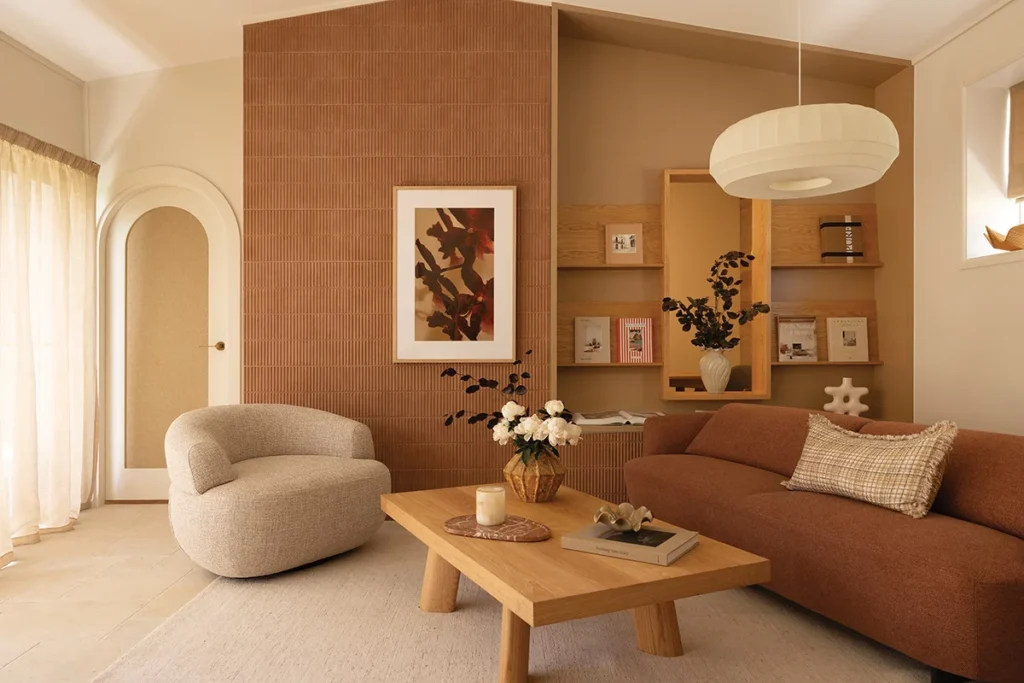
The omission of light fixtures from the design of a home is something that’s often disregarded, but it’s actually important for the design and function of the home. Lighting makes for a beautiful room and makes it easier to perform daily tasks.
In general, lighting plans are divided into three levels: ambient light, task light, and accent light. Ambient lighting is used for general lighting, task lighting is used for specific tasks like reading or cooking, and accent lighting is used to illuminate decorative items.
Natural light is also a good thing. Use large windows, glass doors, and open spaces to let in more light and promote a positive atmosphere. Mirrors can also reflect light and help to make rooms look larger.
Selecting Furniture That Fits the Space
The furniture needs to go with the scale of the room and the design style in general. Furniture items that are too large or too small can both create a cramped or empty feeling in any room.
When choosing furniture, make sure it will be comfortable, durable, and functional. Good quality items may be more valuable in the long run than those that are cheap but deteriorate rapidly.
Take the placement of furniture into account. Placing items to help facilitate the flow of natural movement can enhance the visual and functional qualities of a space. It is important to leave sufficient open spaces around furniture to create a balance and comfortable spaces.
Incorporating Personal Style
The best part of home design is being able to have personal style. Artwork, photographs, rugs, cushions, and plants will help give the home a special touch.
Do not just go along with the fads; instead, choose something personally important to you or that appeals to you. A blend of classic design elements and touches can produce a sense of authenticity and welcoming creativity.
Indoor plants work best to make a room look more interesting and fresh. They enhance the visual attractiveness and establish a greater sense of the natural environment.
Designing for Long-Term Comfort
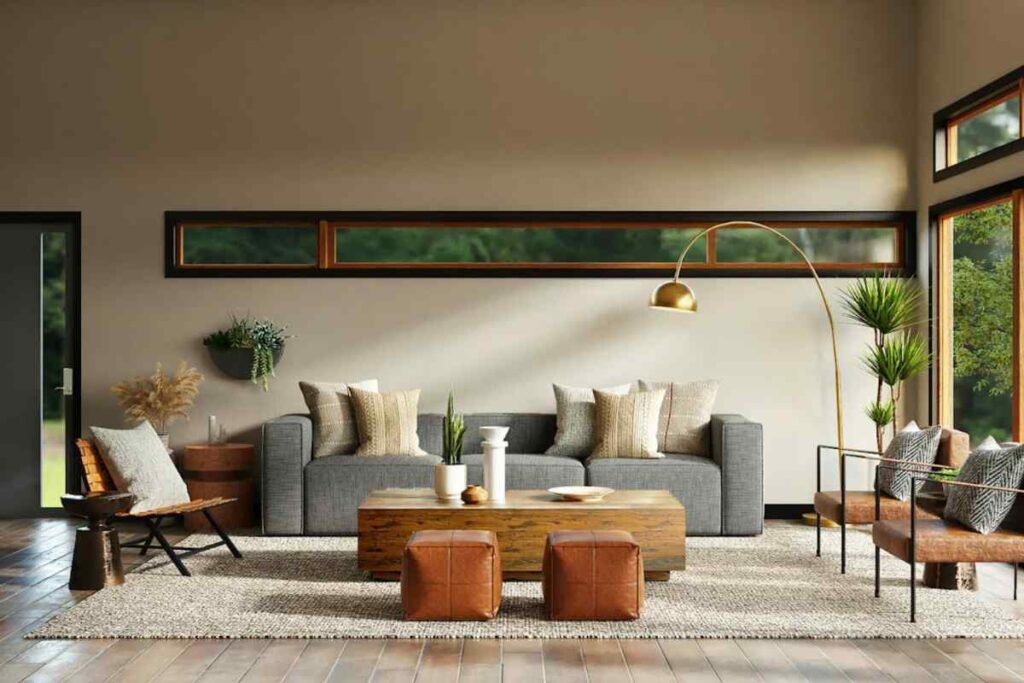
Many homeowners set out to accomplish short-term design objectives without taking into account future requirements. Creating a home that is comfortable can help to ensure your home is functional and beautiful for many years.
The use of flexible spaces is growing in popularity. A guest room might also be a home office, and a dining area can double for a workspace when necessary. Flexible designs offer more value and convenience in time.
Another significant factor to consider is durability. Floors, countertops, and furnishings that are durable when used daily can be a cost-effective investment as they are easier to maintain and do not need to be replaced as often.
Modern home design should also take into account energy efficiency. Smart home technology, energy-efficient appliances, and proper insulation can help lower energy bills and help promote environmental sustainability.
Conclusion
Creativity, functionality, and personal expression are all part of home design. A well-designed home can make your home more comfortable, organized, and welcoming for your family and guests.
Homeowners can design beautiful yet functional spaces by making the right color, lighting, furniture, and style choices. Regardless of whether you’re undertaking a major renovation project or just some minor adjustments, careful planning and design can transform any home into a home.
The most expensive, or elaborate, home design isn’t always the best. These are the ones that are able to deliver the needs of people who live there successfully and make it, at the same time, comfortable, functional, and uniquely their own.