

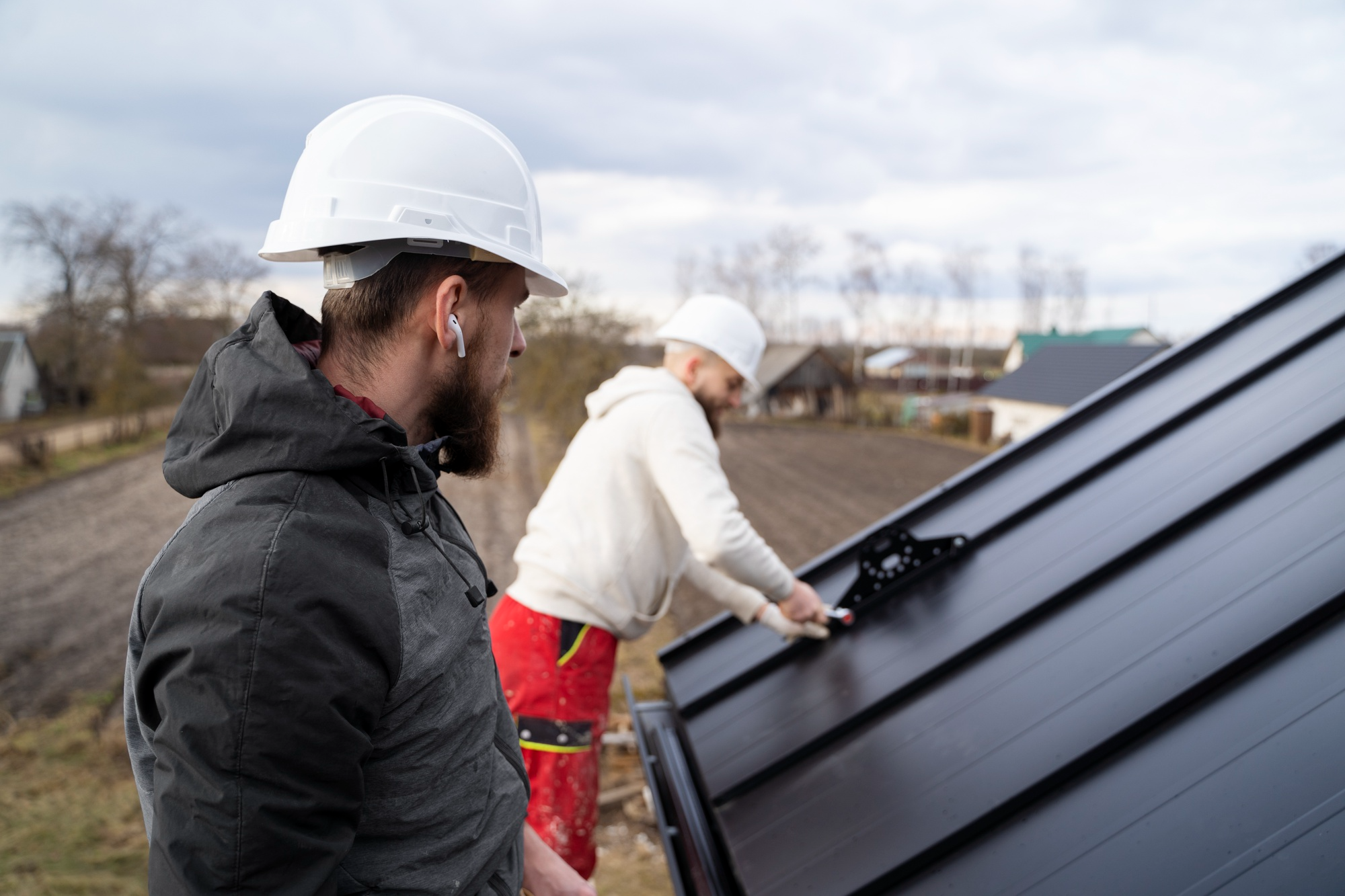
A roofing project is a big investment, and it’s natural to have questions before work begins. Is repair needed, or is roof replacement the only option? What will last? How do you know if a contractor is going to deliver good work?
Getting these decisions right can save money, prevent unnecessary stress, and protect your property for years. With a bit of preparation, you can go a long way, particularly if you know the choices and what you should ask before you sign a contract.
Know Your Roofing Needs Before You Start
Every roofing project is different and will always start with a different problem. You might have noticed a leak after heavy rain, found damaged tiles, or decided that an aging roof needs replacing. Identifying the actual issue is the first step toward choosing the right solution.
Depending on the extent of the damage, targeted repairs may suffice, or the whole structure might need to be replaced. Arrange a professional inspection and ask for a clear explanation of the findings. Understanding the condition of your roof helps you set a realistic budget and avoid paying for work you may not need.
Compare Roofing Services and Material Options
Not all roofing services involve the same skills or materials. A contractor might specialize in flat roofs, while another has extensive experience with traditional slate, tile, or heritage properties. Choose a service that matches the requirements of your building.
Choosing materials also plays a factor. Traditional slate and clay tiles can be used, or a more practical option, concrete tiles.
Take into account durability, look, and maintenance along with initial price. A knowledgeable roofer should explain the benefits and limitations of suitable options rather than pushing a single solution.
Choose Roofing Contractors With Relevant Experience
Choosing the right roofing contractors is as crucial as choosing the materials. Seek out a company that has previously had experience with similar projects and that covers its work with insurance.
Inquire about their previous projects and if they can show you references. Determine the people who will perform the installation and how the installation will be verified before completion. Local experience can be invaluable, as roofing materials and techniques should be adapted to regional climate and property types.
Set a Realistic Budget and Understand the Quote
Roofing prices vary based on a variety of factors, such as rooftop size, access to the roof, material selection, existing structure condition, and labor requirements.
Request a written estimate, which should detail the work being performed. Look for the need to remove and dispose of old materials, repair damaged decking, scaffolding, and flashing, and perform cleanup. If further work is required, determine the cost and approval process for the change.
Plan for Weather, Safety, and Disruption
Roofing work depends partly on weather conditions. Rain, high winds, and extreme temperatures can affect installation schedules, so ask how delays will be managed and how your property will be protected if work stops unexpectedly.
It is also important to know what access the crew requires, whether vehicles or outdoor space will be impacted, and what will happen to the debris. The contractor should discuss the time frame, safety precautions, and any measures you should take before the work commences.